Richmond Council permit rules for Hampton Hill removals: a practical guide for stress-free moving day
If you are planning a move in Hampton Hill, the small details can make a big difference. One of the biggest is getting to grips with Richmond Council permit rules for Hampton Hill removals before the van arrives outside. Miss the parking side of things and the whole day can unravel fast: delays, extra walking distance, annoyed neighbours, and a moving team standing around waiting while you scramble for a solution. Not ideal, really.
This guide explains the permit question in plain English, shows how it typically works in a local move, and helps you avoid the common traps. You will also find practical steps, a comparison table, a checklist, and a real-world style example so you can plan with a bit more confidence and a lot less last-minute panic.
If you are still in the early planning stage, it can help to look at the wider moving picture too. Our guide to packing efficiently for a home move with minimal stress is a good companion read, especially if you are trying to coordinate parking, loading, and boxed-up belongings all at once.
Table of Contents
- Why Richmond Council permit rules for Hampton Hill removals matters
- How Richmond Council permit rules for Hampton Hill removals works
- Key benefits and practical advantages
- Who this is for and when it makes sense
- Step-by-step guidance
- Expert tips for better results
- Common mistakes to avoid
- Tools, resources and recommendations
- Law, compliance, standards, or best practice
- Options, methods, or comparison table
- Case study or real-world example
- Practical checklist
- Conclusion
- Frequently asked questions
Why Richmond Council permit rules for Hampton Hill removals matters
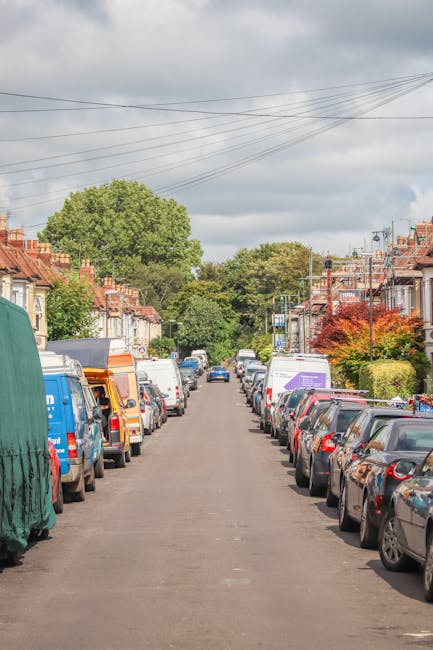
On removal day, parking is not a side issue. It is the difference between a calm, orderly move and a day that feels like everybody is carrying wardrobes half a street away. In Hampton Hill, where roads can be tight, bays can be busy, and loading space may be limited, permit planning often matters as much as packing properly.
Richmond Council permit rules for Hampton Hill removals matter because they help you manage where the removal vehicle can stop, for how long, and under what conditions. If a vehicle is left in the wrong place, or for longer than allowed, you may face a penalty, a complaint from a neighbour, or a delay that puts the rest of the timetable under pressure. And if you are moving from a flat, a terraced house, or a property near busier roads, that pressure tends to show up quickly.
There is also a trust angle here. A moving company that understands local parking rules is usually better at planning access, timing arrivals, and reducing avoidable fuss. That does not magically remove all moving-day drama, of course. But it can take the sharp edges off.
For a broader look at the sort of local access issues that often appear alongside permit planning, see common parking problems for Hampton Hill removals. It is the kind of thing people wish they had read a week earlier.
How Richmond Council permit rules for Hampton Hill removals works
Although every move is slightly different, the general idea is simple: if your removal van needs to park in a place that is controlled by local parking restrictions, you may need permission or a temporary arrangement so loading and unloading can happen legally and safely. In practice, this often means checking whether the property sits on a restricted bay, a permit-only street, a timed parking zone, or somewhere with yellow line restrictions.
In Hampton Hill, the question is rarely just "Can the van stop outside?" It is more like: can it stop there for long enough to load furniture without causing a problem? Is there enough space for the vehicle size? Will the crew need to shuttle items a long way from the door? Those details matter because they affect labour time, safety, and cost.
The rules themselves can vary by street and by time of day. Some streets allow loading in certain circumstances, while others are far less forgiving. To be fair, this is where a lot of stress comes from: people assume the road behaves like a normal parking space, and then the restrictions turn out to be much more specific.
Here is the practical takeaway: do not leave parking until the morning of the move. Check the street situation early, decide whether a permit or parking suspension style arrangement may be needed, and build in a bit of slack. If you are booking help, it is sensible to talk through the access setup as part of the quotation stage. Our page on pricing and quotes is a useful starting point when you want the parking element reflected in the move plan rather than treated as an afterthought.
One small but useful point: if your move involves awkward loading, don't only think about permits. Think about route, door access, stairs, item weight, and whether the vehicle can actually get near the entrance. The parking is only one piece of the puzzle.
Key benefits and practical advantages
Getting the permit side right can feel like admin, but it pays off. Quite a lot, in fact.
- Less delay on moving day: the vehicle can position itself closer to the property, which reduces carrying distance and wasted time.
- Lower chance of fines or complaints: sensible planning helps you avoid parking enforcement problems and neighbour friction.
- Safer loading: fewer long carries mean less strain on the team and less risk to heavy items.
- More accurate scheduling: the move is easier to time when access is realistic from the start.
- Better quote clarity: any extra time caused by poor access is easier to avoid when the parking plan is known upfront.
There is also a less obvious benefit: peace of mind. On moving day, there is already enough going on. You do not need to be second-guessing whether the van is parked legally or whether the driver needs to keep moving it every twenty minutes. One less thing, and that is no bad thing.
If you want to make the whole day feel smoother, combining parking planning with sensible packing helps a lot. Our article on how to take the stress out of moving house fits neatly here, because access and organisation tend to rise and fall together.
Who this is for and when it makes sense
This matters for almost anyone moving in or out of Hampton Hill, but some situations are especially likely to need attention.
- Flat movers: if you live in an apartment or upper-floor flat, time on street is often tighter and carrying distance matters more.
- House movers on busier roads: where a van cannot sit right outside, you may need a clearer loading arrangement.
- Students and short-notice movers: when timing is tight, a simple access mistake can have a big knock-on effect.
- Office or business moves: office furniture tends to be bulky, and a loading stop close to the entrance makes everything easier.
- Anyone with bulky or fragile items: pianos, sofas, bed frames, freezers, and large cabinets are all much easier with good access.
If your move is happening on a narrow road, near a school run, or in an area where parking fills fast, it is especially worth checking the parking situation early in the day. Honestly, this is where a lot of "We'll just wing it" plans start wobbling.
For more local access context, you may find these useful too: Hampton Hill High Street removals for narrow access and Twickenham Road man and van tips for Hampton Hill moves.
Step-by-step guidance
If you want a clean, low-drama moving day, follow this sequence.
- Check the street outside the property. Look for permit bays, yellow lines, loading restrictions, and whether there is any realistic stopping place for the van.
- Measure the practical access. Think about distance from parking spot to front door, staircases, shared hallways, and whether the van can turn or reverse safely.
- Confirm the vehicle size. A small van and a larger removal vehicle face very different parking constraints.
- Decide whether parking permission is needed. If the street is restricted, do not assume informal loading is enough.
- Build access notes into the booking. Tell the removal company about bay width, limited time windows, one-way streets, or awkward kerbs.
- Prepare a fallback plan. If the closest spot is unavailable, where can the van legally stop instead?
- Keep a contact person available on the day. If plans change, somebody needs to be reachable quickly. Nobody enjoys radio silence when the van is circling the block.
A useful habit is to treat parking like part of the move inventory. You list boxes, beds, mirrors, and lamps. Fine. Add the road outside too.
If you are still getting belongings into shape before the move, these may help: package your items and wait for us to come and embrace a fresh start with focused decluttering before the move.
Expert tips for better results
Small decisions make a big difference here. That is the truth of it.
- Book access planning before packing gets out of hand. If you leave it too late, the route and vehicle choice may already be fixed.
- Choose an arrival window that fits local traffic patterns. A sensible time slot can reduce pressure on loading bays and roadside stopping.
- Keep heavy items closest to the exit. If a sofa or wardrobe is at the back of the flat, a long carry becomes much slower than you expect.
- Use clear labels on boxes. If parking is tight, you want the team loading efficiently, not pausing to ask where the kettle box is hiding.
- Protect fragile items before moving day. A controlled route from van to door is great, but it does not replace good wrapping and packing.
One more thing: ask whether the removal team has experience with local parking quirks. There is often a quiet difference between "we can do the job" and "we know how to do it smoothly on this street." The second one tends to save everyone time.
For fragile or oversized pieces, these related guides can help with planning: sofa care and moving tips, how to transport your bed and mattress properly, and piano moving guided by professionals.
Common mistakes to avoid
The same mistakes crop up again and again. Most are avoidable.
- Leaving parking to the last minute: by then, you are solving the problem under pressure.
- Assuming "loading only" means anything goes: some streets are still restricted, even for short stops.
- Ignoring vehicle dimensions: a van may fit in theory but not in practice, especially on tighter residential roads.
- Forgetting neighbours and shared access: blocked driveways and narrow front gardens can become awkward very quickly.
- Not telling the removals team about access issues: if they do not know, they cannot plan.
- Underestimating time: a move that looks simple on paper can stretch if parking is poor.
A common one, and a slightly painful one, is when people focus only on the front door. Then moving day arrives and it turns out the van is half a street away, the lift is tiny, and the heaviest item in the house is a marble dining table. You can probably guess how that goes.
If hidden fees are on your mind as well, this piece on avoiding hidden removals charges in Hampton Hill is worth a look.
Tools, resources and recommendations
You do not need complicated software or a mountain of paperwork. A few simple tools are enough.
- A street view of the property access: use your own observations and photos from the pavement to note kerb space, bay markings, and obstructions.
- A basic floor plan or room list: useful for deciding what needs to come out first.
- Photos of the access route: stairs, hallway turns, and doorway widths matter more than people expect.
- Box labels and colour coding: they speed up unloading and reduce confusion when the van is parked slightly away from the door.
- Moving-day contact details: keep key numbers handy so decisions can be made quickly.
For support around the broader move, these internal resources can help shape the plan: services overview, removals in Hampton Hill, and man and van Hampton Hill.
If you are moving bulky household items, you may also want to review furniture removals in Hampton Hill and removal van Hampton Hill to match the vehicle and service level to the job.
Law, compliance, standards, or best practice
This is the part where caution matters. Parking permissions, loading rules, and enforcement conditions can change depending on the exact street, the time of day, and the local restrictions in force. So it is not wise to rely on a generic answer or a neighbour's "we always park there" advice. That kind of advice has a habit of ageing badly.
Best practice is straightforward:
- check the specific restrictions applying to the pickup and drop-off streets;
- allow enough time for loading and unloading without obstructing traffic;
- make sure the vehicle is parked legally and safely;
- tell the removals provider about any restrictions before the job is booked;
- avoid blocking emergency access, driveways, or pedestrian routes.
Good moving practice in the UK also leans heavily on safety and clear communication. That means not forcing heavy carries across unsuitable ground, not leaving the crew guessing about access, and not treating permits as optional if they are actually needed. In short: if a route looks awkward, say so early.
If you are interested in the operational side of safe moving, our health and safety policy and insurance and safety pages are useful supporting reads.
Options, methods, or comparison table
There are a few common ways people handle access for a Hampton Hill move. The right option depends on the street, the size of the load, and how much time you have.
| Method | Best for | Pros | Watch-outs |
|---|---|---|---|
| Direct roadside loading | Quiet streets with enough space and limited restrictions | Fastest and simplest if legal | Can fail quickly on busy or restricted roads |
| Permit or controlled parking arrangement | Permit bays, timed restrictions, controlled streets | More predictable access near the property | Needs planning and may involve extra admin |
| Longer carry from legal parking spot | Where immediate access is not possible | Can still work without special arrangements | Slower, more labour-heavy, and not ideal for heavy furniture |
| Timed off-peak move | Busy roads or school-run areas | Less congestion and fewer access conflicts | May not suit every schedule |
There is no perfect answer for every move. Sometimes a direct roadside stop is fine. Sometimes the smarter choice is a timed arrival with a permit-backed plan. Sometimes the best option is simply picking a quieter slot and making the day easier on everyone.
For same-day or time-sensitive jobs, this guide may help you think through the pace of the move: urgent same-day removals in Hampton Hill.
Case study or real-world example
A typical Hampton Hill move might look like this: a family is leaving a first-floor flat on a residential street with limited parking. The front of the building has no dedicated bay, and the nearest legal parking point is a short walk away. On paper, the move is possible without special arrangements. In practice, it would be slow, tiring, and risky for heavier pieces.
So the plan changes. The moving team is told in advance about the access, the larger furniture is grouped near the exit, and the loading window is set to avoid the busiest part of the morning. Boxes are labelled clearly, the mattress is wrapped properly, and the fragile items are loaded last so they can be off the vehicle quickly. It is not glamorous. It just works.
The result is usually a steadier moving day, fewer pauses, and less of that low-level tension that builds when people are standing in the rain, wondering why the van is still not close enough. And yes, rain is often part of the story. This is London, after all.
In cases like this, moving support such as flat removals in Hampton Hill or house removals in Hampton Hill can make access planning much easier because the service is built around the type of property, not just the items inside it.
Practical checklist
Use this before moving day.
- Have I checked the parking restrictions on both the old and new streets?
- Do I know whether a permit, loading allowance, or timed stop is needed?
- Have I told the removals company about narrow roads, bays, or difficult access?
- Is the vehicle size appropriate for the street and the load?
- Have I separated the heaviest items for quicker loading?
- Are boxes labelled clearly so unloading is efficient?
- Have I planned a fallback parking option if the closest space is unavailable?
- Do I have the moving team's contact details ready?
- Have I checked whether any restrictions apply at the time of day I am moving?
- Have I left enough time for loading without feeling rushed?
Expert summary: if you get the parking plan right, the whole move usually feels more controlled. If you get it wrong, everything else becomes harder than it needs to be. Simple as that.
Conclusion
Richmond Council permit rules for Hampton Hill removals are not the most exciting part of moving home, but they are one of the most useful parts to get right. When access is planned properly, the day runs more smoothly, the removal team can work efficiently, and you are far less likely to be caught out by avoidable delays or parking headaches.
The big lesson is not complicated: treat the street outside the property as part of the move. Check it, plan it, communicate it, and build your schedule around it. That extra bit of care can save a surprising amount of stress later.
If you are still weighing up your options, compare service levels carefully, think honestly about access, and choose the setup that fits your property rather than forcing your move into a one-size-fits-all plan. That's usually the smarter move, and the calmer one too.
Get a free quote today and see how much you can save.
And if today's the day you start sorting it out, good. One small step now can make moving day feel much lighter when it finally comes round.
Frequently Asked Questions
Do I always need a permit for removals in Hampton Hill?
Not always. It depends on the exact street, the local parking restrictions, the time of day, and whether the van can legally stop for loading. Some moves can be managed without a permit, while others really should not be attempted without one.
How far in advance should I check Richmond Council permit rules for Hampton Hill removals?
As early as possible. A few days may be enough for a simple move, but earlier is better if the street is restricted, the property is a flat, or the move involves bulky furniture. Last-minute checks tend to cause stress.
What happens if the van cannot park outside my property?
The crew may need to park further away and carry items over a longer distance. That can slow the move down and make heavier items more difficult to handle. It is workable, but it is rarely the best plan.
Can I just use a loading bay instead of arranging a permit?
Sometimes, yes, if the loading bay rules allow it and the vehicle can fit legally within the permitted time. But do not assume this will work everywhere. The local restrictions matter more than the general idea.
Are permit rules different for a man and van compared with a larger removal truck?
They can be. A smaller vehicle may fit more easily in tighter spaces, while a larger removal vehicle may need clearer access and more careful parking planning. Vehicle size affects what is realistic.
Will parking problems increase the cost of my move?
They can, indirectly. Extra carrying distance and delays may increase labour time, and that may affect the final price depending on how the job is priced. Clear access usually helps keep things more predictable.
Is it worth booking a morning move to avoid parking trouble?
Often, yes, but it depends on the road and local traffic. Morning can be calmer in some streets and busier in others. What matters is choosing a time that suits both access and loading conditions.
What should I tell my removals company about the street?
Tell them about parking bays, permit zones, yellow lines, tight turns, one-way access, narrow roads, stairs, long carries, and anything else that could slow the job down. The more accurate the picture, the better the plan.
Can I move furniture myself if parking is awkward?
You can, but awkward parking makes DIY moves much harder. Heavy lifting over longer distances increases strain and the chance of damage. If you are handling large items, it is worth thinking carefully about the route and the effort involved.
What is the best way to avoid permit-related problems on moving day?
Check restrictions early, communicate clearly with the moving team, allow a realistic time window, and have a backup plan for parking. That combination covers most of the common problems people run into.
Do flat moves in Hampton Hill need more parking planning than house moves?
Usually, yes. Flats often involve stairs, shared entrances, limited stopping space, and less direct access to the front door. A house can still be tricky, but flats tend to need more planning around parking and loading.
Where can I get help choosing the right moving service for access issues?
Start with the service that best matches your property and load, then review the access details carefully. Pages like man and a van Hampton Hill, man with van Hampton Hill, and removal companies in Hampton Hill can help you narrow down the right fit.