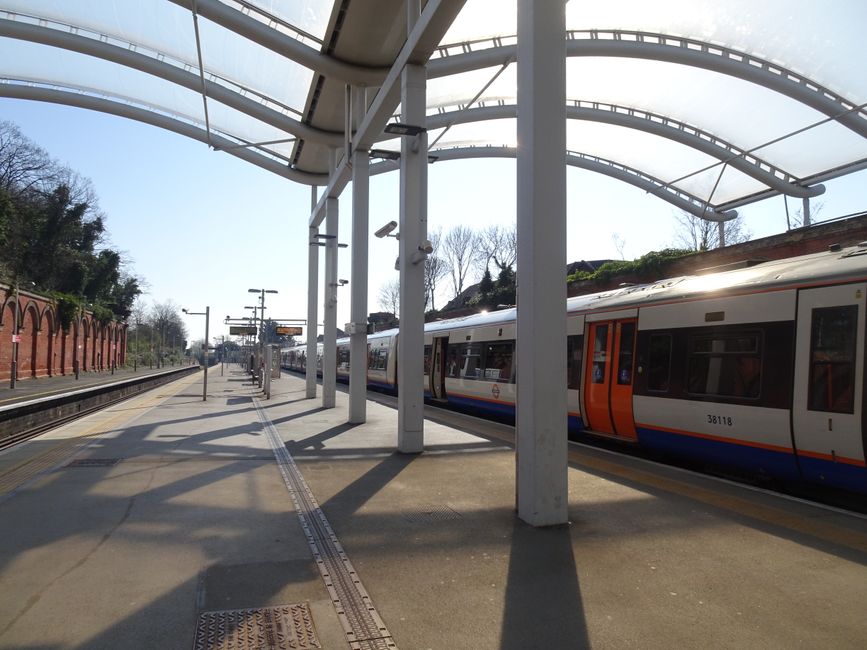
St Margarets station pickup tips for Hampton Hill man and van
If you are arranging a pickup near St Margarets station and the drop-off is in Hampton Hill, the details matter more than people expect. A smooth job is rarely about the van alone; it is about timing, loading space, station access, parking, and how well everyone communicates before the vehicle arrives. That is exactly why St Margarets station pickup tips for Hampton Hill man and van searches usually come from people who want the move to feel calm, not chaotic.
There is a real difference between a quick, tidy collection and a stressful one that turns into a waiting game by the kerb. Maybe you are collecting a sofa, a few boxes, or the contents of a small flat. Maybe you are meeting a driver after a train journey. Either way, a little planning saves time, avoids awkward delays, and makes the whole transfer feel a lot more straightforward. In our experience, the jobs that go best are the ones where the pickup point, access route, and contact details are thought through before the van even turns the corner.
Below, you will find a practical, local guide to getting a St Margarets station pickup right for a Hampton Hill man and van move, including how to avoid common parking issues, what to check on the day, and how to book with fewer surprises.
Table of Contents
- Why St Margarets station pickup tips for Hampton Hill man and van Matters
- How St Margarets station pickup tips for Hampton Hill man and van Works
- Key Benefits and Practical Advantages
- Who This Is For and When It Makes Sense
- Step-by-Step Guidance
- Expert Tips for Better Results
- Common Mistakes to Avoid
- Tools, Resources and Recommendations
- Law, Compliance, Standards, or Best Practice
- Options, Methods, or Comparison Table
- Case Study or Real-World Example
- Practical Checklist
- Conclusion
- Frequently Asked Questions
Why St Margarets station pickup tips for Hampton Hill man and van Matters
St Margarets station is a handy pickup point for plenty of local journeys, but it is not the kind of place where you can just rock up and assume everything will be easy. Railway-adjacent roads tend to be busy, stopping space can be limited, and a van arriving five minutes late can quickly become ten or fifteen minutes late if the pickup point was vague. And then everyone stands around looking at each other. Not ideal.
For a Hampton Hill move, the connection is usually practical: someone is collecting items near the station and taking them back to a home, flat, office, storage unit, or even a second stop later in the day. A man and van service works best when the handover is quick, the item list is clear, and the driver knows exactly where to wait. If you are moving something bulky, like a wardrobe or a sofa, or even just a stack of office boxes, the margin for error is smaller than people think.
Station pickups also come with a little pressure because timing is often tied to trains, ticket barriers, or the handover of keys and access codes. Missed calls, unclear meeting points, or a load that is larger than expected can all turn a neat plan into a scramble. The point of good pickup tips is simple: reduce friction before it starts.
Expert summary: The best station pickups are not the fastest ones on paper. They are the ones where the driver, sender, and recipient all know the plan, the vehicle can stop safely, and the items are ready to go without a long roadside shuffle.
How St Margarets station pickup tips for Hampton Hill man and van Works
The basic flow is straightforward. A customer books a man and van, agrees the pickup details near St Margarets station, and then the items are moved to Hampton Hill. But the practical reality is shaped by four things: access, timing, load size, and communication. Get those right, and it feels easy. Miss one, and even a small job can become awkward.
Usually, the driver needs to know whether the pickup is from the station forecourt, a side road, a nearby residential address, or a curbside point where the item is being handed over. That matters because different places allow different stopping patterns. A van might be able to pause briefly in one location, but not in another. Also, not every road near a station gives you room to load without blocking traffic. Small detail, big consequence.
The Hampton Hill end also matters. A ground-floor delivery with a clear drive or short walk from the kerb is very different from a top-floor flat on a narrow residential street. A good man and van plan connects both ends of the job. It is not just a pickup; it is a complete journey.
In practice, a smooth service often looks like this:
- You confirm the item list, approximate size, and any fragile pieces.
- You share the exact pickup spot near St Margarets station.
- The driver plans the route and arrival time.
- The pickup is completed quickly, with minimal waiting.
- The load is delivered to Hampton Hill and unloaded in order.
That sounds simple because it should be simple. The art is in the details.
Key Benefits and Practical Advantages
There are some very real benefits to planning a station pickup properly, especially if you are using a smaller moving service rather than a large removals team. A nimble van, one or two movers, and a clear handover can be far more efficient than overcomplicating the job.
Time savings. Clear pickup instructions cut down waiting time, wasted calls, and that annoying back-and-forth where someone is saying, "I'm just outside," while standing on the wrong side of the station. We have all been there, or close enough.
Lower stress. When you know where the van will stop and how the items will be handed over, the whole thing feels more controlled. That matters if you are collecting after work, between train connections, or during a tight moving window.
Better handling. Items that are ready to load are less likely to get dragged, dropped, or lifted awkwardly. This is especially important for furniture, mirrors, monitors, and anything with awkward corners.
Fewer delays. If the driver does not have to search for parking or wait for a decision about which side road is safest, the job usually runs closer to the booked schedule. That is worth a lot on busy days.
More predictable cost. Time spent sitting in traffic or searching for access can affect the overall efficiency of a hire. A well-organised pickup tends to be better value, even before you factor in the reduced risk of damage.
A practical note here: the cheapest quote is not always the best choice if the service area is tight, the parking is awkward, or the item list is fiddly. A slightly better-prepared service often ends up feeling cheaper because nothing gets stretched.
Who This Is For and When It Makes Sense
This kind of pickup guidance is useful for a wide mix of people. If you are wondering whether your job is "big enough" for a man and van, or whether a station pickup is too awkward, the answer is usually that it depends on the load and the access. Not very glamorous, but true.
It makes sense for:
- Students moving boxes, suitcases, or room contents from rail access points
- Families collecting furniture or household items for a house move in Hampton Hill
- People buying second-hand furniture and needing quick collection near the station
- Office staff moving equipment or archive boxes on a tight schedule
- Anyone who needs a practical, smaller-scale alternative to a full removals crew
It is also helpful if you are dealing with a same-day plan. For example, you might collect a table from near the station in the morning and have it delivered by lunchtime. Or maybe you are clearing a flat, with a couple of larger items and a handful of packed boxes. In those cases, a flexible service can be easier than booking something oversized.
On the other hand, if the pickup involves multiple floors, very heavy items, restricted access, or a lot of dismantling, you may want to think more carefully about whether the load is suitable for a standard van, a larger vehicle, or a broader moving service such as removal services or house removals.
Step-by-Step Guidance
If you want the pickup to run smoothly, it helps to follow a simple sequence. Nothing fancy. Just a sensible order that keeps surprises to a minimum.
1. Confirm the exact pickup point
Do not just say "St Margarets station." That is too broad. Is the handover happening by the station entrance, on a nearby side street, at a nearby home, or from a shop-front style loading point? The more exact you are, the better the driver can plan the stop.
2. Describe the load honestly
Give a plain-English description of what is being moved. A "small table" might be a lightweight side table or a heavy dining table that needs two people. Same phrase, very different job. Include any awkward dimensions, fragile pieces, or dismantling needs.
3. Check the access at both ends
Ask yourself: can the van stop safely near the pickup? Will the items be carried far from the road? Is there a lift, stairs, or a narrow hallway at the Hampton Hill end? These details affect the time and the handling plan.
4. Share timing clearly
If you are meeting a train, say so. If the pickup is tied to a key handover or a landlord appointment, mention the window. That way the driver understands whether they need to be early, flexible, or able to wait briefly. Time is everything here, honestly.
5. Prepare the items before the van arrives
Pack loose items into boxes, tape up lids, and keep small parts together. If furniture needs dismantling, get the tools ready. You do not want to be hunting for the allen key while the van is waiting. A tiny bit of prep saves a surprising amount of hassle.
6. Load in a sensible order
Put heavier items in first and protect delicate surfaces with blankets or wrapping where needed. If the delivery in Hampton Hill includes multiple stops, tell the driver which item belongs at which stop so nothing gets buried under the wrong box. It happens. More often than people admit.
7. Check the unloading space before arrival
Think ahead to where the items will go. A clear path from kerb to doorway makes all the difference. If the van has to block access or sit in an awkward position, the job can become slower and less tidy than expected.
Expert Tips for Better Results
Small, practical habits tend to make the biggest difference. Here are the kinds of tips that actually save time on the day.
- Use a landmark, not just a street name. "Outside the station ticket office" or "by the side road entrance" is better than a broad location description.
- Send a quick message if plans change. A five-minute delay told early is a mild inconvenience. The same delay told late can throw off the whole sequence.
- Keep the phone charged. Sounds obvious. Still one of the most common weak points.
- Have payment and booking details ready. It avoids a pause at the most inconvenient moment, which is usually when someone is standing in the rain pretending not to panic.
- Protect sharp or delicate items. A corner protector, blanket, or simple wrap can prevent damage on short journeys just as easily as long ones.
- Ask whether the route includes low bridges, narrow turns, or parking constraints. A driver who knows the local area can usually plan around these, but only if you give enough information.
- Leave a little buffer. If a train arrives early or traffic is heavier than expected, a margin of ten minutes can save the day.
One local detail worth mentioning: station-area traffic often changes character quickly. A quiet-looking road at one moment can feel clogged the next because of school runs, commuter flow, or a delivery lorry making a slow manoeuvre. So, yes, timing matters a lot. The van is only part of the equation.
Common Mistakes to Avoid
Most problems at station pickups are avoidable. That is the slightly irritating truth of it. Here are the missteps we see most often.
Being vague about the meeting point. If the pickup is near the station, say exactly where. "Near the station" is not enough when the driver is trying to position a vehicle safely.
Underestimating the size of the load. People often describe items in a way that sounds smaller than they are. A bulky armchair is not the same as a lightweight dining chair. Not even close.
Ignoring parking and stopping restrictions. If there is nowhere safe to pause, loading becomes slower and more stressful. It can also create avoidable tension with other road users.
Not preparing the items in advance. If boxes are still open, screws are loose, or furniture is half-dismantled, the job takes longer and has more risk of damage.
Assuming the driver knows your exact plan. Drivers are good, but they are not mind readers. A little clarity goes a long way.
Forgetting building access at the destination. A lift that is out of service, a narrow staircase, or a blocked hallway can turn an easy drop-off into a slow one.
Booking on price alone. Cheap can be fine. Cheap and vague is where people get caught out. There is a reason many people later search for cheap man and van risks in Hampton Hill after a rough experience.
Tools, Resources and Recommendations
You do not need a van-load of fancy equipment, but a few practical items can make the pickup much easier.
- Strong boxes and tape: good for keeping smaller items together and easier to stack.
- Blankets or furniture covers: useful for protecting wood, painted surfaces, and upholstery.
- Ratchet straps or tie-downs: helpful for securing heavier items inside the vehicle.
- Protective wrap: handy for corners, glass, or surfaces that scratch easily.
- Basic tools: a screwdriver or hex key can save time if something needs quick dismantling.
- Phone battery pack: simple, but a lifeline if the pickup timing is tight.
On the planning side, it helps to look at your booking terms, payment information, and any service notes before the day. For example, a provider that explains pricing clearly on a page like pricing and quotes is usually making an effort to set expectations early. That does not solve everything, but it does reduce guesswork.
If you are dealing with furniture, it can also be worth checking whether the service includes handling for bulky pieces or single-item collections such as furniture pick up. For larger loads, a broader moving option like man and van or man with van may be the more practical fit.
Law, Compliance, Standards, or Best Practice
With station pickups, the key compliance issue is usually safe and lawful stopping rather than anything dramatic. In plain terms, the driver should avoid unsafe stopping, obstruction, or anything that would create a risk to pedestrians, cyclists, rail users, or other traffic. Local parking rules, yellow lines, and loading restrictions can all matter, and they can vary street by street.
It is also sensible to respect station access arrangements. Busy station forecourts and nearby roads are not the place for improvisation. If a pickup cannot be made safely from a specific point, the better answer is usually to choose a different nearby location rather than forcing the issue. That sounds basic, but it is where a lot of jobs go sideways.
For removals and transport work, the general best practice is to maintain a safe lifting technique, secure loads properly, and avoid overloading the vehicle. Good operators also carry appropriate insurance and make sensible checks on fragile or valuable items. If you want to understand how a provider approaches this side of the work, pages such as insurance and safety and health and safety policy are worth reviewing.
One small but important point: if a delivery involves a property manager, shared entrance, or building rules, those instructions should be followed. It is not worth trying to squeeze through where the building says not to. That is the kind of shortcut that creates longer delays later.
Options, Methods, or Comparison Table
Not every station pickup needs the same approach. Here is a simple comparison of the most common options people consider when moving items from St Margarets station to Hampton Hill.
| Option | Best for | Strengths | Limitations |
|---|---|---|---|
| Small man and van | Boxes, a few furniture items, quick local moves | Flexible, usually cost-effective, easy to book for short jobs | Not ideal for very large or complex moves |
| Standard removals service | Full house moves or larger multi-item loads | More capacity, often more support with heavy lifting | Can be more than you need for a station pickup |
| Self-move with hired vehicle | People with time and enough help | Direct control over timing and packing | More effort, more responsibility, and easy to underestimate the work |
| Single-item pickup | One sofa, bed, appliance, or piece of furniture | Simple and efficient when the item is ready to load | Access and lifting still need to be planned carefully |
For many local customers, a man and van is the sweet spot. It is flexible enough for smaller jobs, but still practical if you need a careful pickup, loading help, and delivery into Hampton Hill in one visit. If the job is closer to a bigger move, services such as flat removals or home moves may make more sense.
Case Study or Real-World Example
Here is a realistic example. A customer needs to collect a compact sofa, two medium boxes, and a coffee table from near St Margarets station, then deliver everything to a first-floor flat in Hampton Hill. Nothing enormous, but enough to need planning.
The first version of the plan is vague: "Meet by the station." That would probably work eventually, but it leaves room for confusion. Instead, the customer confirms the exact road, gives the driver a contact number, and explains that the sofa will already be wrapped. The flat has stairs but a clear entrance, so the driver knows to bring an extra set of hands if needed. The pickup is set for mid-morning, which avoids the school-run pinch and gives a bit more breathing room.
On the day, the driver arrives, calls ahead, and the items are ready at the kerb. No wandering about. No "just a minute" while someone looks for packaging tape. The sofa is loaded first, the boxes are stacked neatly, and the table is protected from knocks. At the Hampton Hill end, the unloading is straightforward because the route into the flat was checked in advance. Total effect: less stress, less waiting, fewer risks.
That kind of job may not sound dramatic, and that is the point. Good moving work often looks uneventful from the outside. Which, to be fair, is exactly what you want.
Practical Checklist
Use this before your pickup. A quick check now can save a lot of muttering later.
- Pickup point confirmed: exact location near St Margarets station shared clearly
- Contact number ready: driver and customer can reach each other quickly
- Item list completed: furniture, boxes, fragile pieces, and any awkward items noted
- Access checked: parking, stopping room, stairs, lifts, and doorway widths considered
- Packaging prepared: boxes taped, loose items secured, fragile items wrapped
- Tools available: dismantling tools, straps, blankets, or protective wrap ready
- Timing agreed: train arrival, key handover, or delivery window confirmed
- Destination clear: Hampton Hill address, floor level, and unloading route understood
- Payment details reviewed: no last-minute confusion on the day
- Backup plan in mind: a safe fallback if the intended stopping point is busy
If your move is slightly more complex, it can help to review broader guidance such as common problems with parking for Hampton Hill removals or street parking rules to avoid fines during Hampton Hill removals. Those details become especially useful when the pickup point is close to busy roads.
Conclusion
St Margarets station pickup tips for Hampton Hill man and van jobs come down to a simple truth: a little preparation makes the whole move feel lighter. When the pickup point is precise, the item list is honest, and the access on both ends is understood, the van spends less time waiting and more time doing the work it was booked for. That is good for the schedule, good for the budget, and good for your nerves.
If you are planning a small move, collection, or local delivery, think less about making it perfect and more about making it clear. Clear beats clever every time. And on a busy day around a station, that clarity is worth its weight in cardboard and tape.
Get a free quote today and see how much you can save.
Whether it is one item or a small load, the right plan turns a potentially fiddly pickup into a straightforward part of the day. And honestly, that is a relief worth having.
Frequently Asked Questions
What should I tell the driver for a St Margarets station pickup?
Share the exact pickup spot, what is being moved, the best contact number, and whether there are any access issues. If the handover depends on a train arrival or key exchange, say that too. Specifics save time.
Can a man and van stop near St Margarets station?
Often yes, but it depends on the exact road, traffic, and local stopping restrictions. It is better to plan a safe, legal stopping point in advance than to assume there will be space on arrival.
Is this suitable for furniture pickup from the station area?
Yes, especially for single items or smaller loads. Furniture collections work best when the item is ready to load, protected properly, and the route from pickup to vehicle is short and clear.
How far in advance should I book a Hampton Hill man and van?
As early as you can if the job has a fixed time, but many local pickups can be arranged at shorter notice. If the timing is tied to a train, lunch break, or property access, earlier booking is usually smarter.
What if my item is heavier than I expected?
Tell the provider as soon as you realise. A heavier item may need extra lifting help, better wrapping, or a different vehicle plan. It is much easier to adjust before the van arrives.
Do I need to pack everything before pickup?
Ideally, yes. Loose items should be boxed or bagged, and fragile pieces wrapped. If you leave packing until the last minute, the pickup usually takes longer and feels more stressful.
What happens if the station area is too busy for stopping?
The driver may suggest a safer nearby meeting point or a short walk to a better loading area. That is normal. Safety and practicality matter more than sticking rigidly to the first idea.
Is a man and van better than a full removals team for this kind of job?
For a smaller station pickup, usually yes. A man and van is often the more flexible and efficient choice. For larger households or complex access, a broader removals service may be more suitable.
How can I reduce the risk of damage during the move?
Wrap delicate items, use blankets for furniture, secure loose parts, and load carefully. Good handling starts with preparation, not luck. A few minutes spent protecting items can save a lot of bother later.
Should I mention stairs or narrow access in Hampton Hill?
Absolutely. Stairs, tight hallways, and upper floors all affect timing and lifting. The more the driver knows, the better they can plan the job and bring the right support.
What if I need same-day collection from St Margarets station?
Same-day moves can work if the schedule is realistic and the load is manageable. Be honest about the size of the job, and make sure the pickup and drop-off points are easy to access. A flexible local service can help here.
Are there hidden costs I should watch for?
Potential extras can arise from waiting time, difficult access, long carry distances, or last-minute changes. Clear booking details help reduce surprises, which is why pricing should always be checked before the day.
Can I combine a station pickup with a second stop in Hampton Hill?
Yes, if the route and timing are agreed beforehand. Multi-stop jobs are common, but they work best when the order of items and locations is clearly explained from the start.
If you are still deciding on the best type of move, it may also help to look at related local services such as same-day removals, house removalists, or removal van options, depending on how much needs shifting.