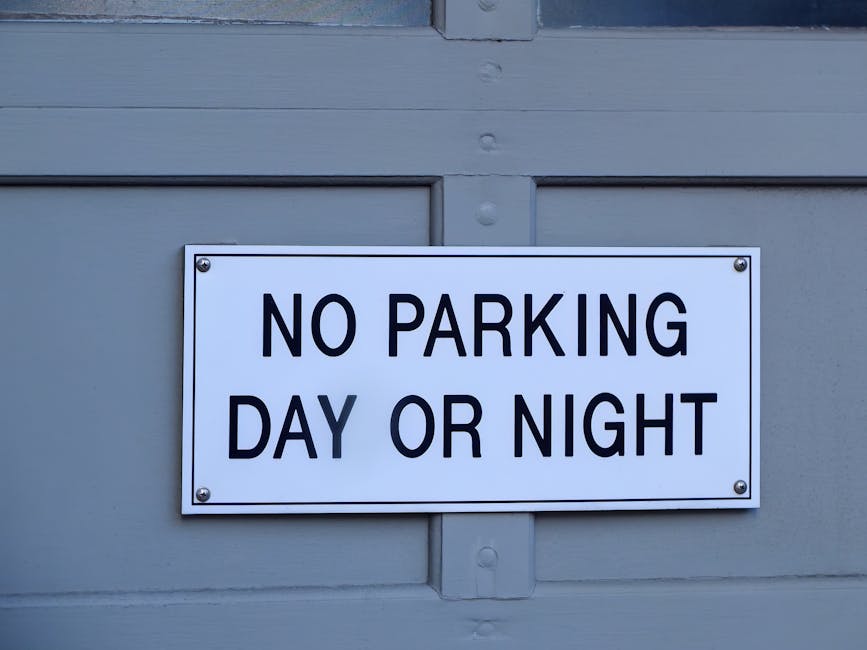
Street parking rules to avoid fines during Hampton Hill removals
If you are moving in Hampton Hill, street parking can be the difference between a calm moving day and a very expensive headache. One wrong assumption about kerb space, loading, bay markings, or a permit can trigger a parking ticket, delay the van, and turn an already busy day into chaos. The good news? With a little planning, street parking rules to avoid fines during Hampton Hill removals are manageable, even on tighter residential roads where every metre matters.
This guide breaks down what usually causes fines, how street parking actually works on moving day, and the practical steps that help you stay on the right side of the rules. You will also find a checklist, a comparison table, and a real-world example so you can plan with confidence rather than guesswork. Truth be told, that is half the battle.
For broader moving support, you may also find it useful to look at removals, man with a van, or home moves if your move needs more than just parking know-how.
Table of Contents
- Why street parking rules matter during a move
- How street parking works on moving day
- Key benefits of planning parking properly
- Who this is for and when it makes sense
- Step-by-step guidance
- Expert tips for smoother parking
- Common mistakes to avoid
- Tools, resources and recommendations
- Law, compliance, standards, and best practice
- Options and comparison table
- Case study: a Hampton Hill moving day
- Practical checklist
- Conclusion
- Frequently asked questions
Why Street parking rules to avoid fines during Hampton Hill removals Matters
Street parking is not just a logistics detail. It affects timing, safety, access, cost, and whether the move feels smooth or scattered. In Hampton Hill, as in much of London, streets can be narrow, bays can be busy, and parking restrictions may change from one side of the road to the other. If the van is forced to park too far away, the team has to carry more items, more times, and that can slow everything down.
A fine is one issue. Delays are another. Then there is the knock-on effect: tired people, boxes left on the pavement, awkward furniture lifts, and moving plans that drift by the hour. Nobody wants to be carrying a sofa across a wet pavement at 4:30pm while trying to work out whether a yellow line is still enforceable. It happens, though, and usually because the parking plan was left until the last minute.
Street parking rules also matter because removal vehicles are often larger than everyday cars. A space that looks fine for a hatchback can be hopeless for a van with a tail lift or a truck needing room to align with the property entrance. Good parking planning helps protect your furniture, keeps neighbours happier, and reduces the chance of awkward conversations with enforcement officers. To be fair, it is one of those unglamorous parts of moving that pays off immediately when done properly.
How Street parking rules to avoid fines during Hampton Hill removals Works
The basic principle is simple: a moving vehicle still has to follow the street parking rules in force on that road at that time. A van collecting or delivering household goods is not automatically exempt from restrictions. You may be allowed to stop briefly in some places for loading and unloading, but that is not the same as free parking all day, and it does not override every restriction.
In practice, street parking on move day usually falls into one of a few situations:
- Permit-controlled bays, where only permit holders or authorised users can park.
- Pay-and-display or shared-use bays, where time limits and ticketing rules may apply.
- Loading-only arrangements, where stopping may be possible for a short period if the vehicle is actively being loaded or unloaded.
- Yellow line restrictions, where stopping may be restricted at certain times, even for a removal van.
The key word is active. If a vehicle is stationary while goods are being moved, that is one thing. If it is parked while people search for keys, have a chat, or wait for the lift to arrive, the situation becomes less clear. This is why many people end up with a ticket even though they feel they were "only there for a minute". The rules do not really care about the mood of the day.
Another thing to remember is that local streets differ. One Hampton Hill road may have a short-term loading allowance, while the next has a resident bay and a parking zone that is unforgiving at certain times. You need to check the specific street, not make a general assumption about the area.
Key Benefits and Practical Advantages
Getting the street parking plan right brings a surprisingly long list of benefits. Some are obvious, some less so.
- Lower risk of fines and parking disputes.
- Faster loading and unloading, because the vehicle can get closer to the entrance.
- Less carrying distance, which reduces strain and breakages.
- Better timekeeping, especially if your moving slot is tight.
- Fewer neighbour complaints, because the vehicle is positioned more considerately.
- Safer handling of bulky items, such as wardrobes, white goods, or awkward office furniture.
- Less stress on the day, and that matters more than people admit before moving.
There is also a commercial side to it. If you are comparing removal services or looking at removal companies, a provider that helps think through access and parking is often worth more than one that only quotes for vehicle time. The cheapest option can become expensive very quickly if the van is forced to circle the block or park three streets away.
Expert summary: the best parking plan is not the one that sounds neatest on paper; it is the one that leaves room for narrow streets, neighbour parking, awkward furniture, and real-world delays. That simple.
Who This Is For and When It Makes Sense
This guide is useful for almost anyone moving within or from Hampton Hill, but it is especially relevant if your property is on a busy residential street, near a school, on a corner, or in a bay-heavy road with limited parking turnover.
You will want this information if you are:
- moving from a house with on-street parking only
- leaving a flat where access is tight or shared
- using a man and van service for a short, efficient move
- organising a larger home move with multiple trips
- moving office furniture or equipment in a mixed-use street
- relocating a student flat where parking is often limited and time-sensitive
It also makes sense if your move includes bulky items like a piano or solid wood furniture. In those situations, the loading point matters even more, so you may need to think about piano removals, furniture removals, or even temporary storage if access is awkward and you want to split the move into stages.
Even when the move itself is small, parking issues can swallow time fast. A supposedly quick one-bedroom move can stretch out if the van has nowhere sensible to stop. And yes, by 11am the street might already be busier than you expected.
Step-by-Step Guidance
Here is the practical route that tends to work best. It is not fancy, but it does help.
1. Check the street itself, not just the postcode
Look at the exact road outside both addresses. Parking rules can change from one side of the street to the other, and some restrictions only apply during certain hours. Do not rely on memory from a previous visit. Parking arrangements drift over time.
2. Decide what kind of stop you actually need
Are you looking for a short loading stop, or do you need the vehicle to remain nearby for a longer period? That answer changes the plan. A short stop may be fine in one location, but a longer hold may require a permit or a bay that supports the move properly.
3. Speak to the property side early
If you live in a flat, share the building, or have limited frontage, ask about access well before move day. A lot of frustration comes from assumptions like "the van can just wait outside". Sometimes it can. Sometimes it really cannot.
4. Measure the access point in a practical way
Think about whether there is space for doors to open, whether the van can line up safely, and whether a driver can leave room for pedestrians. A road may be legally usable but still poor for removals if the vehicle blocks driveways, corners, or the pavement edge.
5. Build in time for a parking fallback
This is where people get caught out. Have a second option if the ideal bay is taken. Maybe there is a slightly wider section of road. Maybe there is a safer place to wait briefly while items are carried out in stages. If possible, allow a little slack time. Not hours. Just enough to breathe.
6. Keep unloading active and organised
Once the vehicle is parked, the job needs to move. Boxes should be ready, lift routes should be clear, and someone should know where key items are going. Active loading or unloading is usually the point that matters most in parking discussions, so keep the workflow moving.
7. Re-check before the final departure
If the move runs long, the road conditions may change. A bay that was free earlier might become more pressured later in the day. If you need to extend the stop or reposition the vehicle, do a quick check before settling in for another round.
Expert Tips for Better Results
Small details make a big difference here. In our experience, the moves that stay calm are usually the ones where somebody has thought through the boring bits in advance.
- Use a tape measure or rough step count for the kerb-to-front-door distance. It helps you understand how much carrying is involved.
- Keep a spare loading plan for bad weather. Rain makes lifting slower and more awkward, especially with cardboard and soft furnishings.
- Avoid moving at school-run peaks if the street is already tight. That one is easy to overlook.
- Place the heaviest items nearest the exit inside the property so the first lift is not a wrestling match.
- Use clear labels on boxes so the unloading order makes sense the moment they leave the van.
- Tell neighbours early if the road will be briefly busy. People tend to be more understanding when they are not surprised.
A useful habit is to treat parking as part of the move, not a side issue. If you are working with house removals or arranging flat removals, the access plan should be discussed alongside packing and timings, not after everything is already boxed up.
And if you are coordinating a business relocation, the same logic applies. For office removals and commercial moves, parking can affect staff access, equipment handling, and whether the building entrance stays clear. That is the sort of thing that sounds minor until three people are standing around a printer and nobody can get the next trolley through.
Common Mistakes to Avoid
Most parking fines during a move come from a fairly small set of mistakes. The frustrating part is how ordinary they are.
- Assuming loading means unlimited stopping. It usually does not.
- Forgetting that a permit bay is still a permit bay. A moving van does not magically change the sign.
- Blocking too much of the road. Even if the vehicle fits, the position might be unsafe or inconvenient.
- Leaving the van while people are still "just finishing up". Those minutes matter.
- Not checking both ends of the move. The destination matters just as much as the departure street.
- Ignoring timing changes. Restrictions can kick in mid-move, which is awkward, obviously.
- Relying on guesswork. One look outside is not enough.
Another common one is underestimating how long unloading takes if access is poor. If the van is parked a short distance away, each item takes more effort. That can become a slow grind, especially with bulky furniture or multiple flights of stairs.
There is no prize for doing the whole thing on hard mode. None at all.
Tools, Resources and Recommendations
You do not need a box full of specialist equipment, but a few simple tools make parking planning much easier.
- Notebook or phone notes for recording bay signs, times, and vehicle positions.
- Measuring tape for checking access and carry distances.
- Phone camera to capture signs or unusual restrictions so nobody is relying on memory.
- Printed move plan showing arrival time, loading order, and key contact details.
- Floor plan or room list so boxes are not dumped wherever there is space.
It also helps to work with a moving team that is comfortable with access planning. If you need a vehicle for bulkier items, look at removal van or moving truck options depending on the size of the job. For more flexible transport, man with van may suit smaller, quicker moves, while larger homes often benefit from a bigger, better-organised setup.
If you are still comparing moving support, pricing and quotes can help you understand the shape of the job before moving day arrives. That is often the point where parking, access, and the number of trips become much clearer.
Law, Compliance, Standards, or Best Practice
Parking rules in London are enforced locally, so the exact restrictions depend on the street, the signs, the markings, and the time of day. There is no single moving-day exception that covers every scenario. The safest approach is to treat the site as an ordinary parking environment first, then check whether loading or unloading is genuinely permitted.
As a rule of thumb, the best practice is to:
- read the roadside signs carefully
- check the time windows, not just the bay type
- avoid assuming an unattended vehicle is acceptable
- keep loading or unloading active and well organised
- leave enough space for pedestrians, residents, and emergency access
If you are unsure, it is better to choose a more conservative plan than to gamble on a roadside assumption. That is especially true in busy residential streets where enforcement can be quick and parking pressure is high.
From a business and safety point of view, good practice also includes clear communication, sensible lifting routes, and careful vehicle positioning. You can see this approach reflected in a good provider's health and safety policy and insurance and safety information, because access planning and safe handling usually go hand in hand.
Options, Methods, or Comparison Table
When planning street parking for a move, people usually end up choosing one of these approaches. The right choice depends on the property, the street, and how much you are moving.
| Parking approach | Best for | Pros | Watch-outs |
|---|---|---|---|
| Short kerbside loading stop | Small, quick moves with light access | Fast, simple, often the least disruptive | Needs active loading and clear sign checks |
| Permit or bay-based plan | Longer jobs in residential streets | More predictable if permission is sorted in advance | Can be unavailable if bays are full or restricted |
| Staged unloading with repositioning | Busy roads or awkward access | Flexible when parking is tight | Can take longer and needs good coordination |
| Use of storage to split the move | Complex moves, downsizing, or delayed handovers | Reduces pressure on a single parking slot | Adds an extra step and needs planning |
If your move is more complicated than a straightforward house shuffle, staging the job can be a smart move. For example, some customers use student removals for smaller loads, while others split a bigger job into transport plus storage so the street parking window is less stressful. It is not always about doing everything in one heroic day. Sometimes the calmer option is the better one.
Case Study or Real-World Example
A typical Hampton Hill moving morning might go like this. A family in a terraced house had assumed the van could park directly outside for the whole day. On the actual street, though, the nearest space was a resident bay with limited availability, and the road was already busy by 8:30am. The first version of the plan would probably have led to circling, delays, and a fair bit of muttering.
Instead, they adjusted the approach. Boxes were staged by room the night before. The largest items were kept close to the front door. The mover arrived a little earlier than originally planned and used a short, active loading stop while another person managed the flow from inside. The route to the van was kept clear, and the loading sequence was organised so the biggest furniture went first.
The result was not dramatic. No movie-style triumph. Just a cleaner, steadier move with less back-and-forth and no parking drama hanging over the day. That is usually the real win, honestly. You want the kettle unpacked, not a victory parade.
This kind of planning matters just as much for business moves too. A small office shift that uses office relocation services benefits from the same discipline: clear access, sensible timing, and a vehicle position that matches the actual lifting route. Nothing flashy. Just effective.
Practical Checklist
Use this before the moving van arrives. It keeps the day grounded.
- Check the exact parking restrictions on both streets.
- Confirm whether the van can stop legally for loading or unloading.
- Identify a backup stopping point if the first choice is taken.
- Measure the carry distance from van to door.
- Warn neighbours if the road is likely to be busy for a short period.
- Keep boxes and furniture grouped by room.
- Make sure keys, documents, and essentials are separate.
- Keep walkways, entrances, and the kerb area clear.
- Monitor the time so restrictions do not catch you halfway through.
- Recheck the plan before the final load leaves the property.
Quick takeaway: if you can explain the parking plan in one sentence, it is probably simple enough to work. If you need three contradictory sentences, take another look.
For extra moving support, you can also review packing and boxes and packing and unpacking services if you want the loading side to run more smoothly. Clean packing often reduces the time the van needs to stay in place, which helps with parking pressure too.
Get a free quote today and see how much you can save.
Conclusion
Street parking rules to avoid fines during Hampton Hill removals are not complicated once you break them into their practical parts: check the signs, understand the bay type, keep the loading active, and plan for the street you actually have rather than the one you wish you had. That mindset alone prevents a lot of stress.
If you prepare well, the van gets closer, the lifting gets easier, and the whole move feels more controlled. And if you are dealing with tight access, bulky furniture, or a home and office schedule that does not leave much room for mistakes, a solid plan can make all the difference. Simple as that.
On moving day, the calmest jobs are usually the ones where somebody thought about the kerb before the first box was lifted. It is a small thing, but it matters. And once the last item is in, the first cup of tea tastes much better for it.
Frequently Asked Questions
Can a removal van park on the street while I am moving?
Sometimes, but only if the street rules allow it. A removal van must still follow local parking restrictions, so the key is checking signs, bay rules, and time limits before stopping.
Do loading and unloading rules mean I can ignore parking signs?
No. Loading and unloading may allow a short stop in some places, but they do not override every restriction. Always check whether the street permits stopping for that purpose and whether the vehicle is actively being loaded or unloaded.
How do I avoid a parking fine on moving day in Hampton Hill?
Start with the exact street outside the property. Check the signs, confirm whether there is a loading option, keep the move active, and have a backup plan if the best space is taken. Planning beats luck every time.
Is it enough to check the parking rules once the night before?
It is a good start, but not always enough. If conditions change overnight or the street is busier than expected, you may need to adjust on the day. A final quick recheck is worth it.
What if the only available space is a resident permit bay?
Do not assume you can use it. Permit bays can be enforced even during moves. If there is no lawful way to stop there, look for an alternative loading point or rethink the timing.
Do I need to worry about parking for a very small move?
Yes, although the risk is usually lower. Even small moves can lead to fines if the vehicle is stopped in the wrong place or left too long. Small move, same rules.
Should I tell neighbours before moving day?
It is not always required, but it is often helpful. A quick heads-up can reduce tension if the road is briefly busier than usual and makes the day feel more cooperative.
What is the best parking plan for a flat move?
For flats, the best plan is usually the one that minimises carry distance while keeping the vehicle legally positioned. If access is awkward, a short, well-managed stop and clear internal routes can make a big difference.
What if the van cannot stop directly outside the property?
Use the nearest legal and practical alternative, then organise the loading route so the team is not carrying items any farther than necessary. Sometimes that means staging boxes or adjusting the order of items.
How can I make parking easier for office removals?
Plan the vehicle position around entrance access, staff movement, and any shared-use bays. For business moves, clear communication and timing are especially important because people and equipment are moving at the same time.
Do parking rules matter if I book same-day help?
Yes, absolutely. If anything, they matter more because same-day jobs are often quicker and less flexible. If you are arranging same-day removals, the parking decision needs to be made fast and carefully.
Where can I find more help with my moving plan?
You can look at the site's moving options, compare transport needs, and review useful policy pages such as terms and conditions or about us if you want a clearer sense of how the service is run. If you still have questions, it is usually best to ask early rather than improvise on the day.